
The pitch: no minimum, three-day sample
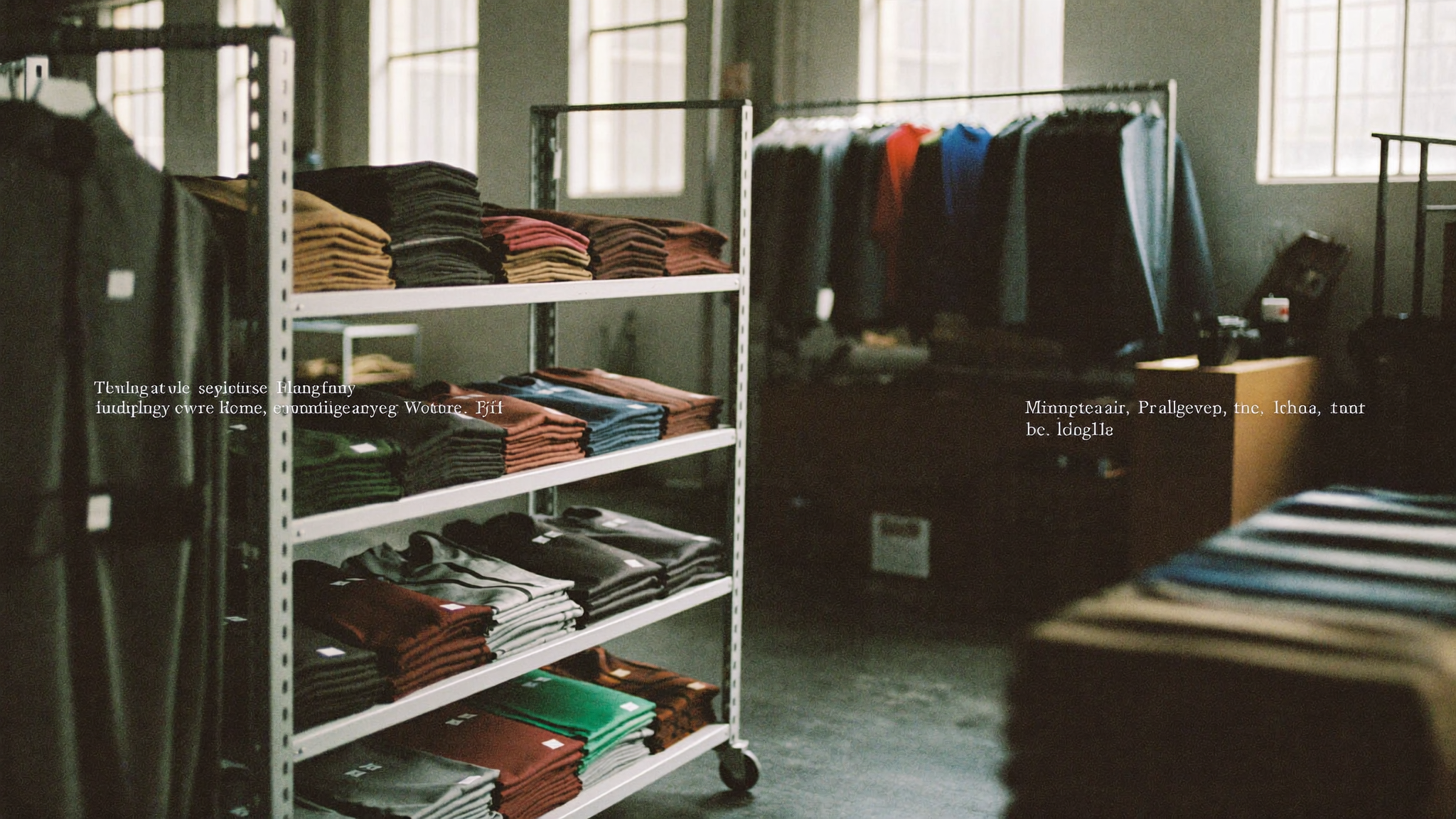
A sportswear blanks catalog with no minimum order quantity, three-to-five-day worldwide shipping, and a built-in design tool for adding a logo before checkout — that is the offer at the center of AtSource Blanks. The company describes itself plainly:
Atsource Blanks is a ready-made, performance sportswear catalog, manufactured unbranded and held in stock at our factory HQ in Malaysia.The site backs the claim with live pricing — tees, shorts, and singlets listed individually, several starting under twenty dollars a unit and stated as available with no minimum order, bulk pricing from fifteen dollars per unit at higher volumes.
That is the part of the story that is directly checkable, because it sits on the storefront itself. What is less checkable is the growth statistic that tends to travel alongside pitches like this one: a specific compound annual growth rate for women's golf apparel, cited as a reason the timing is right. It is worth separating the two.
What AtSource actually is
AtSource Blanks is positioned as the newest arm of Atsource, a company that describes itself as a design-to-delivery sportswear manufacturer built to serve the segment beneath multinational brands. Its own materials frame the founding logic directly:
The traditional supply chain was built for multinationals with deep pockets and long planning horizons, not the challenger brands shaping the future of sportswear.The company states it draws on established supplier relationships to
deliver premium product without multi-thousand-unit minimums or 8-month development cycles.
The manufacturing footprint, as described by the company, spans several specialized partner facilities: a Jiangsu, China textile mill for woven synthetic fabrics carrying OEKO-TEX and Global Recycled Standard certification, and a Johor, Malaysia performance-apparel factory established in 1989 that the company says is powered more than 70% by solar energy and serves as the home of the Blanks catalog. Additional partners handle trims, zippers, and knitted fabrics, each with cited third-party certifications. None of these claims were independently verified beyond the company's own about-us page, and revenue, headcount, funding, and customer counts are not disclosed anywhere in public materials — so those figures should be treated as unknown rather than assumed.
The market claim under a magnifying glass
The figure attached to campaigns for this kind of product — that women's golf apparel will grow at roughly 6.32% annually through 2030 — does in fact trace to an identifiable industry report, Mordor Intelligence's golf apparel market analysis, which states that the women's segment is growing at a CAGR of 6.32% while men currently hold the larger share. That is a real, sourced figure, not an invented one. But it is also one estimate among several that disagree on both size and pace: Grand View Research puts the entire global golf apparel market, all genders, at roughly $4.42 billion in 2024 growing near 6.9% annually to 2030, while The Business Research Company estimates the full category at $3.52 billion in 2025 rising to $4.94 billion by 2030 at 7.1%. Fortune Business Insights separately projects the women's segment specifically at a 5.54% CAGR through 2034 — a different number, different base year, different endpoint.
The spread across these reports, roughly five to seven percent depending on source and segment definition, tells the more useful story: golf apparel is a real growth category, women's participation is a real driver of it, but no single decimal-point CAGR should be treated as load-bearing for a specific business claim. A market growing steadily at mid-single digits does not, by itself, validate or invalidate a manufacturing startup's timing. It simply establishes that the category is not shrinking.
The product is not really apparel — it's turnaround time
Strip away the golf framing and the actual offer is a manufacturing-infrastructure product: unbranded stock ready to ship in days, plus a faster path to a custom run than most factories quote. That model answers a specific pain point for small and emerging brands — the multi-thousand-unit minimum order that ties up capital before a single sale is confirmed. It is not a new idea. It is a crowded one.
Printful, founded in 2013 and now reporting around 2,000 employees, built its business on exactly this promise for general apparel and merchandise, sourcing blanks from established brands and printing on demand with no inventory risk to the seller. Printful and Printify announced a strategic merger in November 2024, combining resources while keeping both brands operating separately — a sign of consolidation pressure in the general-purpose print-on-demand tier. Apliiq occupies an adjacent niche, focused on private-label branding depth — woven labels, custom linings, interior branding — for sellers who want their product to read as a real clothing line rather than a printed tee, with production able to run up to seven days for standard orders.
Stanley/Stella sits closer to what AtSource Blanks is attempting on the sustainability axis: a Belgium-founded blank-apparel supplier, established in 2012, that has built its reputation on GOTS-certified organic cotton and GRS-certified recycled materials, operations spanning four continents, and a December 2024 US distribution deal with SanMar to bring its lines into the American wholesale market. None of these competitors, notably, specialize in performance sportswear cut for a women's fit at sub-50-unit volumes — which is the specific gap AtSource Blanks is claiming to fill.

Why the timing argument has some real substance
Independent of any specific growth percentage, there are structural reasons a low-MOQ performance manufacturer might find real demand right now. European regulation is moving, slowly but concretely, toward mandatory traceability: under the EU's Ecodesign for Sustainable Products Regulation, delegated acts defining exact data requirements for textiles are expected around 2027, with mandatory compliance likely following twelve to eighteen months after that. Brands that already know their supply chain — which factory, which certification, which fiber origin — will have a real head start over brands sourcing anonymously from marketplaces, and a manufacturer offering documented, certified partner facilities is positioned to sell into that anxiety before it becomes a legal requirement.
The second structural point is more mundane: digital printing and flexible cut-and-sew processes have genuinely brought the economics of small runs down over the past several years, which is why multiple low-MOQ apparel manufacturers — not just AtSource — have entered the market with sub-100-unit offers in the last two to three years. This is a real industry-wide shift, not a claim unique to one company.
What to check before treating this as proven
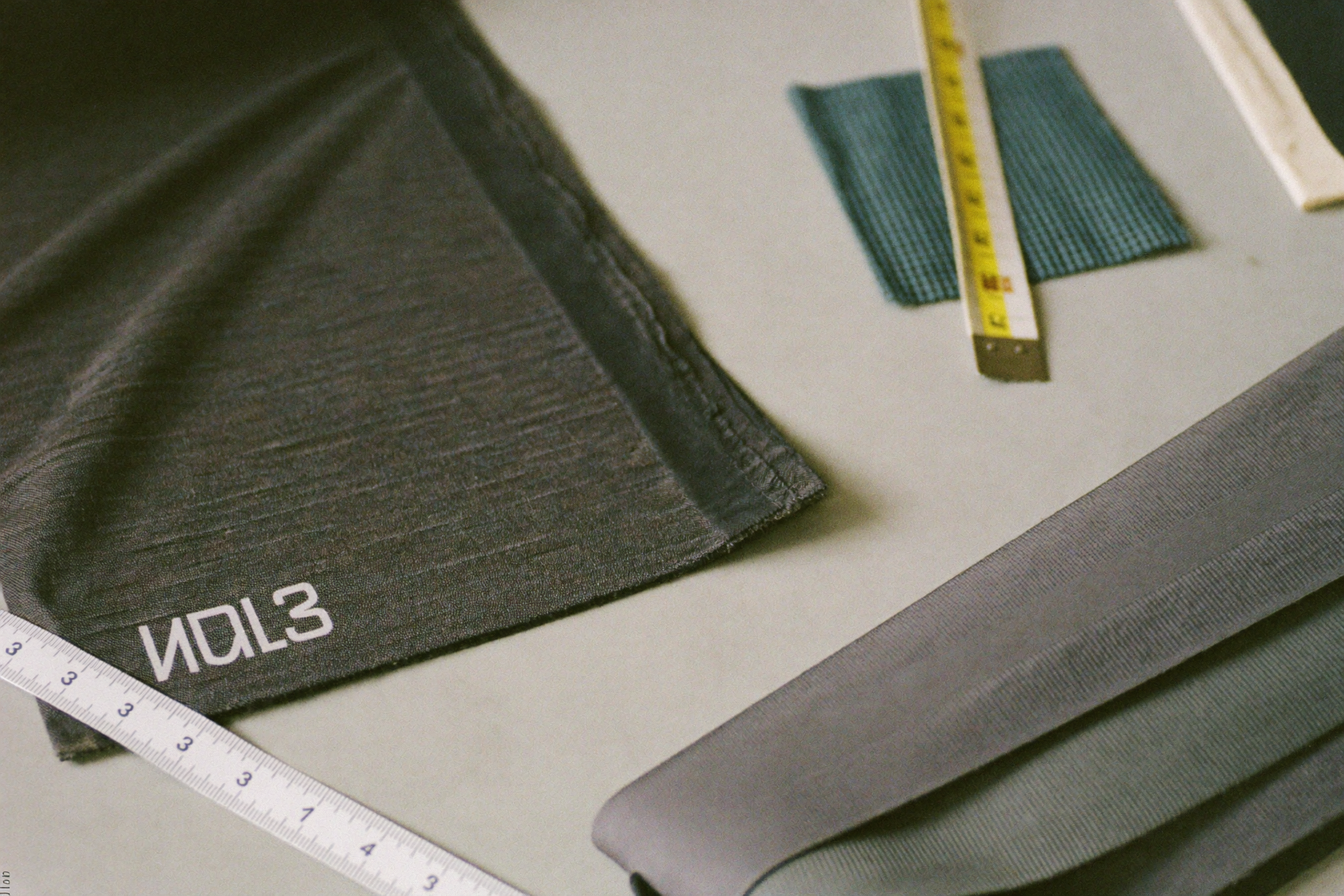
Readers evaluating this space, rather than this brand specifically, have a short and concrete list to work through. First, request an actual fabric spec sheet and a physical fit sample rather than relying on product photography — performance fabric claims are only meaningful with GSM, stretch recovery, and moisture-wicking data attached. Second, ask directly which product categories the no-MOQ and 50-unit claims apply to versus which require higher volumes or longer lead times; blanket claims on a landing page often carry exceptions by SKU. Third, treat any headline growth statistic — 6.32%, 6.9%, 7.1%, whichever version appears in a given pitch — as directional context, not as evidence for a specific company's prospects. And finally, watch whether pricing, minimums, and stated lead times hold steady as the catalog expands past its early-stage offering; that consistency, more than any single launch claim, is what separates infrastructure that scales from infrastructure that was only ever built for a landing page.