A fitness club opens where the trains used to park
In April 2026, a new urban fitness facility opened directly inside Takanawa Gateway City, the mixed-use district JR East built on top of a former train depot in central Tokyo. JR East Sports Co., Ltd., guided by its corporate philosophy of contributing to physical and mental health, operates comprehensive fitness clubs, compact gyms, and relaxation facilities across the Tokyo metropolitan area and Eastern Japan, and on April 25, 2026 opened THE JEXER TAKANAWA, a new urban fitness facility at TAKANAWA GATEWAY CITY. The facility features a gym, pool, studios, and spa and sauna. A short walk away, a separate sauna operator opened its own facility. Takanawa SAUNAS opened directly connected to Takanawa Gateway Station, inside NEWoMan Takanawa.

What's actually being built
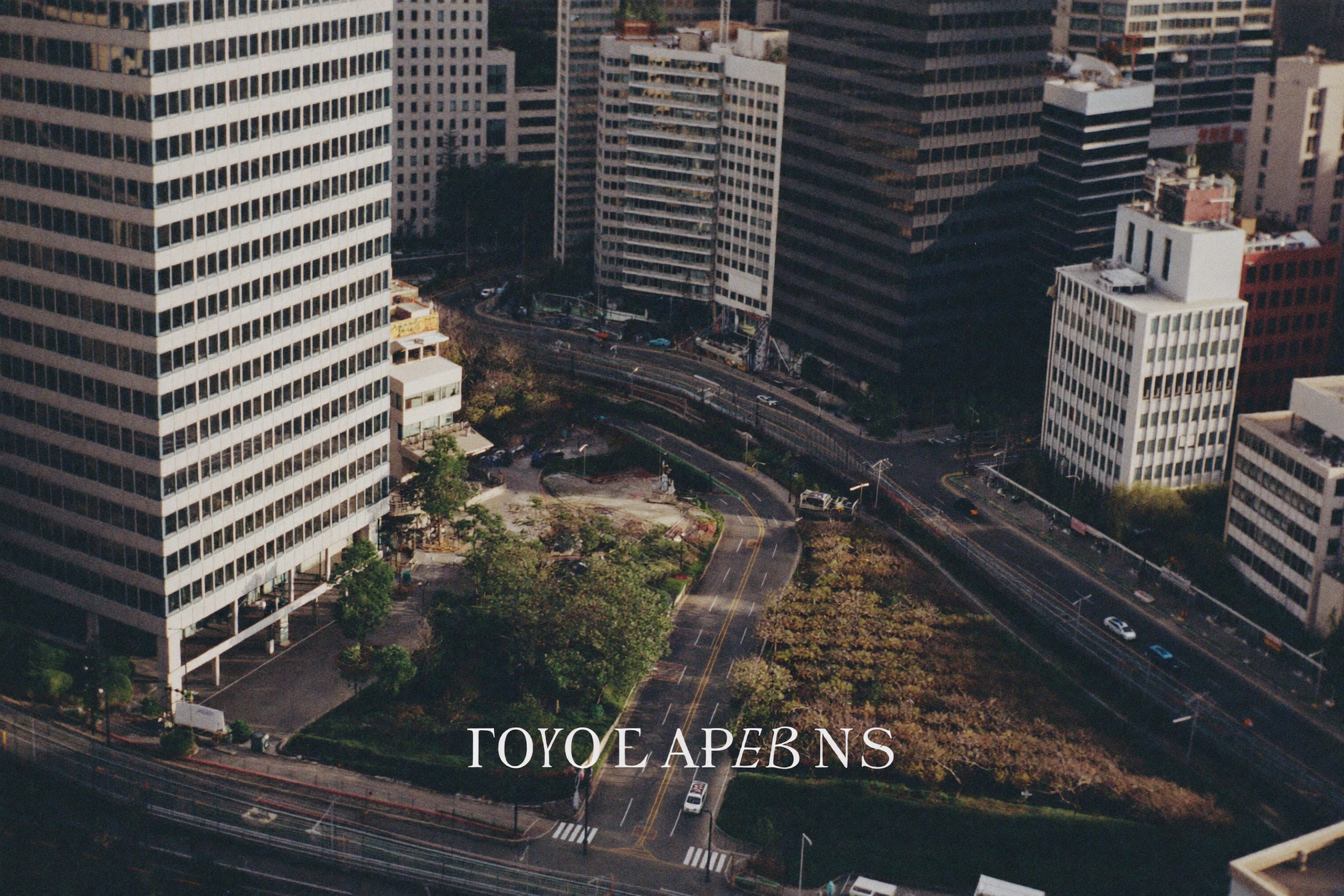
Takanawa Gateway City is not a single building. Developed by JR East, it is a bold urban redevelopment project transforming a former train yard into a 9.5-hectare next-generation smart city. On March 27, 2025, the city officially began its phased opening, and Takanawa Gateway Station now features a welcoming new atmosphere with green open spaces like Eki Park and a curated selection of dining spots. The park, the sauna, the fitness club, and the train station all sit on the same operator's land, opened on the same construction timeline.
Mori Building's Azabudai Hills, a few kilometers away in central Tokyo, follows a similar logic without a marathon or a running club attached to it — at least not yet, and not confirmed by any source checked for this story. What is confirmed: the project carries an overwhelming emphasis on "Green & Wellness" with 24,000 square meters of lush greenery, and the neighborhood is expected to welcome 30 million visitors per year once fully occupied. That is a foot-traffic number, not a running-specific one — but it is the kind of number a developer needs before committing capital to any amenity meant to pull people back to the same six blocks, week after week.
The economics behind the running argument
Independent market-size data for something called a "run station" does not exist, and this piece will not manufacture one. What does exist, and what developers appear to be leaning on, is a growing body of event-level economic data tied to the Tokyo Marathon — the annual race that runs through the same central districts where this building pattern is emerging.
The race organizer's own post-event study put the 2026 economic impact at a specific, sourced figure. The Tokyo Marathon Foundation's study of the Tokyo Marathon 2026, held on Sunday, March 1, 2026, found an economic ripple effect in Japan of approximately 790 billion yen, and an effect within Tokyo of approximately 565 billion yen. That is roughly ten times the 2024 edition's tally, though the 2024 and 2026 studies used the same methodology and the same visiting researcher, so the year-over-year jump reflects both participation growth and a broader multiplier applied by the foundation, not a single explainable event.
Separately, Mastercard's economics arm ran its own transaction-based analysis of the 2025 race. The Tokyo Marathon 2025 generated an estimated USD 100 million (JPY 155 billion) in incremental consumer spending over three days, according to the Mastercard Economics Institute. Merchants within a 10-kilometer radius of the finish line recorded spending approximately 7% higher than a typical non-marathon weekend. The category breakdown is specific enough to be useful to a retail landlord: family apparel spending rose 47%, cosmetics 30%, drug stores 18%, and women's clothing 14%. Domestic consumers accounted for more than 83% of the incremental spending, and 73% of participants from the US and UK visited other Japanese cities within a week, which is the kind of extended-stay behavior a hotel or mixed-use operator can plan around.
Why a developer, not just a sportswear brand
Sportswear companies have run marketing hubs near marathon routes for years. The distinguishing feature of the Tokyo pattern is who holds the lease. A single-brand running clubhouse rents space inside someone else's building. A developer that owns the park, the station concourse, and the retail floor plate underneath it captures the dwell time itself — the extra hour a runner spends showering, eating, or shopping after a loop through the neighborhood — rather than renting a storefront to capture a slice of it. Mitsui Fudosan's own business description makes this structural overlap explicit: the company's Facility Operations segment is involved in hotels and resorts, and sports and entertainment businesses, alongside its core leasing and property sales operations — meaning sports-adjacent facility operation is already inside the same corporate structure as the real estate itself, not a separate marketing line item.
What's verified and what isn't
To be specific about the boundary between sourced fact and plausible narrative: the Takanawa Gateway City park-sauna-fitness cluster is verified, including its developer, size, and opening dates. The Azabudai Hills greenery and visitor figures are verified from Mori Building's own press materials. The Tokyo Marathon economic-impact figures are verified from the race foundation and from Mastercard's published analysis. What is not verified, and does not appear anywhere in primary sourcing checked for this story, is any direct sponsorship relationship between Mori Building, Tokyo Tatemono, Mitsui Fudosan, or JR East and the Tokyo Marathon itself — the race's listed partners run from Tokyo Metro and ASICS to Mizuho Bank and Porsche Japan, not real estate developers. Facility-level revenue, membership counts, and project-specific investment figures for any of these running-adjacent developments are also not publicly disclosed and should be treated as unknown until a company files or states otherwise.
The park, the sauna, and the station sit on the same operator's land, opened on the same construction timeline — that is the structural fact, not the sponsorship story.
How this compares to what already exists
Nike's run club outposts, Rapha's clubhouses, and hotel-based running concierge programs in Europe are all single-brand marketing footholds — a company renting or building one location to associate itself with a sport. The Tokyo model differs in scale of control: a developer sequencing a train station, a park, a sauna operator, and retail leasing across one redevelopment site, with running as the connective activity rather than the product being sold. Whether that translates into higher rents or longer tenant retention is not something any source reviewed for this piece has quantified.
What to check next
Readers tracking this trend have a short list of observable, checkable items rather than predictions: whether JR East discloses membership or utilization figures for THE JEXER TAKANAWA once it has a full year of operation; whether Mori Building or other Tokyo developers formalize sponsorship or facility-naming deals directly with the Tokyo Marathon Foundation, which would mark a shift from adjacency to explicit partnership; and whether comparable park-sauna-fitness clusters appear on other Tokyo redevelopment sites beyond Takanawa and Azabudai. Outside Japan, transit-adjacent and waterfront redevelopment zones in Seoul and railway-station regeneration projects in Europe are the most structurally similar settings to watch, though no comparable project has been confirmed in those markets as of this writing.
On listed exposure: Tokyo Tatemono trades on Deutsche Boerse's Frankfurt exchange under the ticker T6R, and Mitsui Fudosan trades over-the-counter in the United States under the ticker MTSFY. Mori Building's listing status was not confirmed by any source checked for this story and should not be assumed either way. None of this is investment guidance — it is a starting point for readers who want to verify the underlying companies themselves before drawing conclusions.